
By Cal-Tech Painting Inc
If you’re deciding whether to paint your house yourself or hire a professional, the first question is usually about price.
For a small, straightforward project, DIY painting will almost always cost less out of pocket. You’re paying for paint, supplies, and your own time instead of professional labor.
But that comparison changes as the job gets bigger.
A room with clean walls and eight-foot ceilings is one thing. A two-story exterior with peeling paint, damaged trim, hard-to-reach areas, and several days of prep work is another.
The better question isn’t simply, “Which option costs less?”
It’s “Which option makes sense for this particular job?”

What Does DIY Painting Actually Cost?
Paint is only part of a DIY painting budget.
Depending on the project, you may also need rollers, brushes, trays, extension poles, drop cloths, masking materials, caulk, patching compound, sandpaper, primer, ladders, pressure-washing equipment, or other supplies.
If you already own most of that equipment, DIY becomes considerably more attractive.
If you’re buying tools for a one-time project, the gap between DIY and professional painting starts getting smaller.
There’s also your time.
Moving furniture, protecting floors, repairing surfaces, sanding, masking, priming, painting, cleaning up, and putting everything back together can easily take longer than homeowners expect.
That doesn’t mean DIY is a bad choice. It means your time belongs in the calculation.
When DIY Painting Makes Sense
DIY can be a good choice when the project is relatively simple.
A bedroom or home office with walls in decent condition is a much different project from repainting an entire house.
DIY is especially reasonable when you are comfortable doing the work, already own the basic equipment, don’t have significant surface repairs, and aren’t working in areas that require difficult ladder access.
You also need to be comfortable with the finish.
Professional painters spend years learning how much preparation a surface needs, how different paints behave, how to cut clean lines, and how to avoid problems that don’t become obvious until the paint dries.
For some homeowners, doing the work themselves is worth the tradeoff.
For others, their Saturday is worth more than another Saturday with a roller in their hand.
What Are You Paying a Professional Painter For?
The biggest difference isn’t the act of putting paint on a wall.
It’s everything that happens before that.
On repainting projects, preparation can include cleaning, scraping loose material, sanding rough areas, patching damage, caulking gaps, protecting adjacent surfaces, and priming where necessary.
How much of that work is required depends on the condition of the house.
That’s one reason two homes of similar size can have very different painting costs.
You’re also paying for someone who already has the equipment and experience to recognize problems before they get covered with paint.
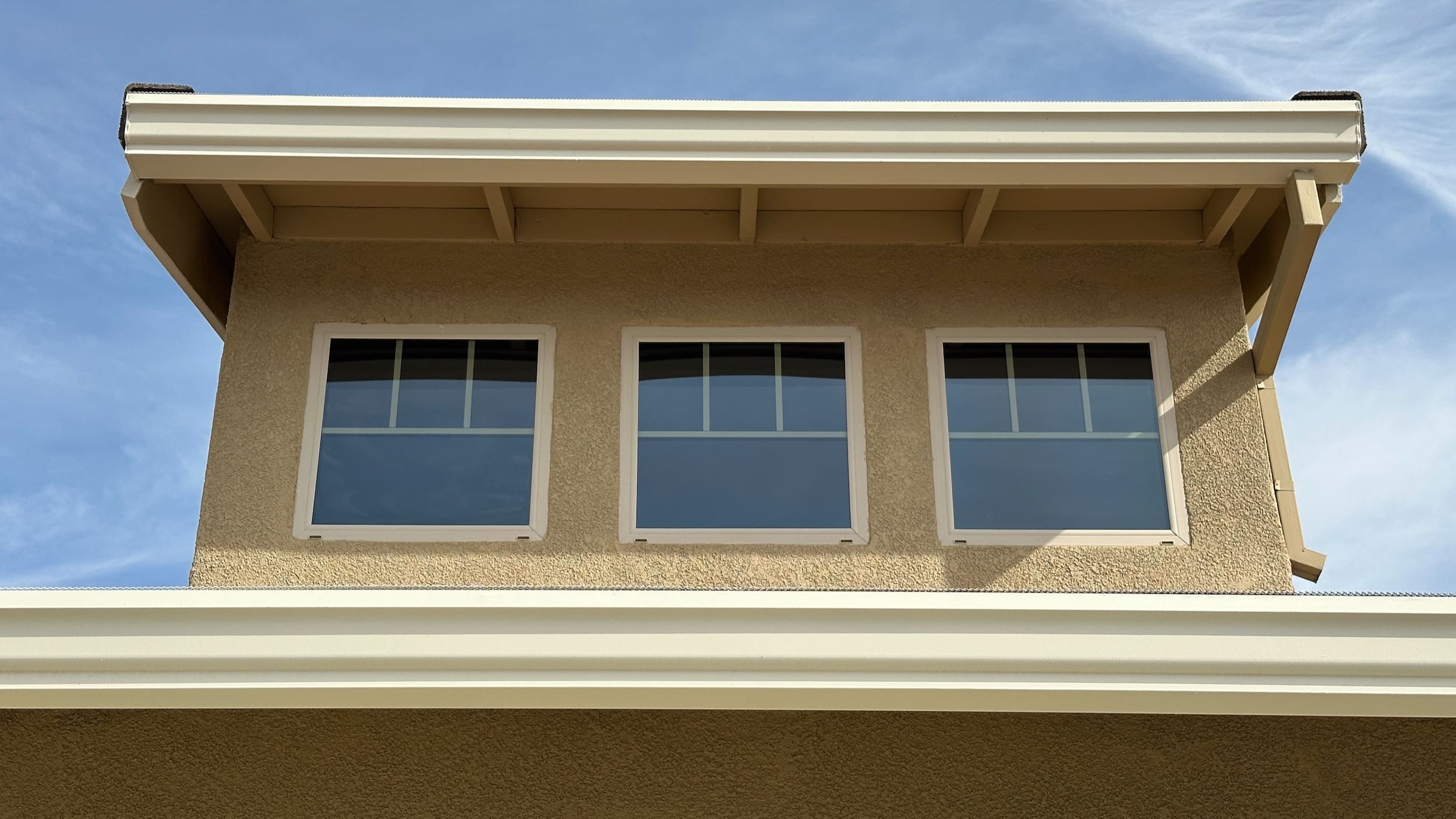
For exterior projects in particular, access matters. High walls, rooflines, second-story trim, steep grades, and awkward elevations can turn what looked like a painting project into an equipment and safety problem.
DIY vs. Professional Painting: A Better Way to Compare Cost
Instead of comparing only the price of paint with the price of an estimate, compare the whole job.
| Consideration | DIY | Professional Painter |
|---|---|---|
| Paint and materials | You purchase them | Usually included in the project price |
| Tools and equipment | You provide or rent them | Contractor provides them |
| Surface preparation | You handle it | Included according to project scope |
| Labor | Your time | Included |
| Scheduling | Work at your own pace | Defined project schedule |
| Difficult access | Your responsibility | Contractor handles appropriate access |
| Cleanup | You handle it | Typically part of the job |
| Finish quality | Depends on your experience | Depends on the contractor you hire |
The more complicated the project becomes, the less useful a simple “DIY is cheaper” comparison becomes.
Interior Painting: DIY or Hire a Painter?

Interior painting is generally the easiest place for homeowners to consider doing the work themselves.
If the walls are in good shape, the room is empty or easy to protect, and there isn’t much trim work, DIY may be a perfectly reasonable choice.
The calculation changes with large interiors, tall ceilings, extensive trim, cabinets, detailed built-ins, damaged surfaces, or a whole-house repaint.
Prep and detail work become a larger percentage of the project.
If you’ve ever finished painting a room only to notice every patch, roller line, and crooked cut line once the afternoon sun hits the wall, you already know why preparation and technique matter.
Exterior Painting Is a Different Decision

Exterior painting generally involves more variables than painting a bedroom.
Sun exposure, failing paint, cracked caulk, bare wood, stucco repairs, landscaping, rooflines, and second-story access all affect the job.
Sometimes what looks like a painting problem is really a preparation problem.
Putting new paint over a surface that isn’t ready for it doesn’t solve the underlying issue.
That’s where experience becomes valuable.
Cal-Tech Painting has worked on residential repainting projects in the El Dorado Hills area since 1992. Over that time, we’ve seen plenty of homes where the painting itself was the easy part. Figuring out what needed to happen before the first finish coat was applied was what determined the final result.
So, Is Hiring a Professional Painter Worth It?
Sometimes yes. Sometimes no.
If you’re repainting a small room, enjoy doing the work, have the tools, and aren’t in a hurry, hiring a contractor may not be necessary.
If you’re dealing with an entire home, substantial preparation, an exterior, difficult access, detailed trim, or simply don’t want to spend several weekends on the project, paying a professional becomes much easier to justify.
The right answer depends on the house and what your time is worth.
Get a Professional Estimate Before You Decide
You don’t have to decide between DIY and professional painting based on an internet cost calculator.
Get an estimate for the actual project.
Once you know what professional painting will cost for your home, you can compare that number with your expected material purchases, equipment, prep work, and time.
Cal-Tech Painting Inc. provides residential interior and exterior repainting services in El Dorado Hills, Folsom, Granite Bay, Cameron Park, and surrounding communities.
If you’re considering a project, request a free estimate and compare the numbers for yourself.

Frequently Asked Questions
Is DIY painting always cheaper than hiring a painter?
DIY usually has a lower cash cost for a straightforward project because you aren’t paying for professional labor. The difference becomes smaller when you need to buy or rent equipment, perform substantial repairs, or spend several days completing the work.
When should I hire a professional painter instead of doing it myself?
Professional help makes more sense for larger projects, exterior painting, difficult ladder access, extensive surface preparation, detailed trim work, or situations where completing the work quickly matters.
Is interior painting easier to DIY than exterior painting?
In many cases, yes. A simple interior room usually involves fewer access and weather issues. Exterior projects can require ladders, extensive preparation, repairs, pressure washing, and work on multiple surface types.
Why does surface preparation affect painting costs?
Preparation takes labor and materials, but it also affects how the finished paint looks and adheres. A surface with peeling paint, cracks, damaged caulk, stains, or other defects requires more work before painting can begin.
How can I compare a DIY project with a professional estimate?
Add up the paint, primer, supplies, equipment purchases or rentals, preparation materials, and the amount of time you expect the project to take. Then compare that with a written professional estimate for the same scope of work.